-
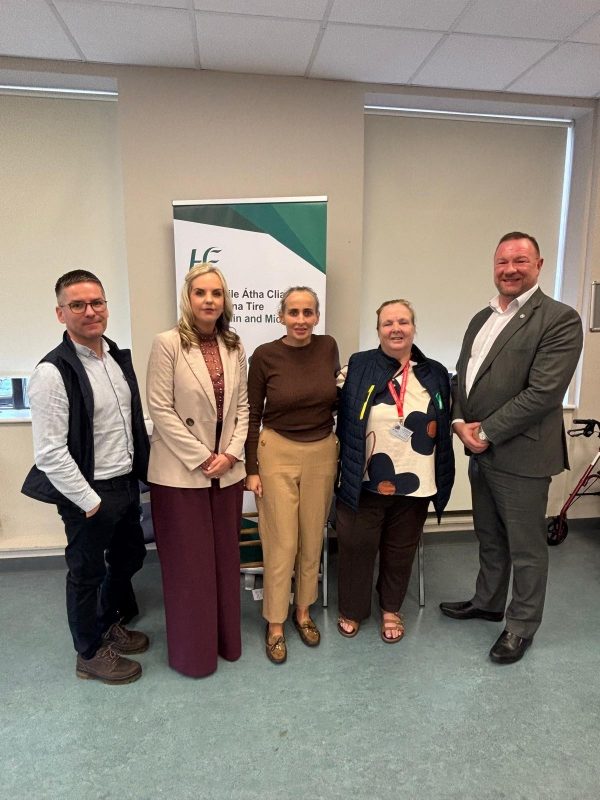
Traveller Mental Health Education and Awareness Day took place on Wednesday (October 14th) in Tralee, Co Kerry
-
‘We know that men account for roughly 80% of completed suicides in Ireland, but the Traveller suicide rate is seven times that of the general population – which paints a truly distressing picture’
View photos from the event here.
The President of the College of Psychiatrists of Ireland (CPsychI) has said that urgent solutions were needed to address the mental health crisis among Travellers, which is having a hugely disproportionate effect on men.
Dr Lorcan Martin voiced his concerns at the Traveller Mental Health Education and Awareness Day, an event co-hosted in Tralee this week by the College of Psychiatrists of Ireland and the Kerry Travellers Health and Community Development Project.
The event aims to support the Traveller community to recognise and discuss mental health difficulties, as well as relevant supports, resources and services that are available.
The event, the third in an annual series, focused on men’s mental health, youth mental health, and recovery from mental illness.
Dr Martin said that while a government focus on Traveller mental health in budgets and Oireachtas committees was welcome, there was a need for greater urgency by every regional and local service provider to offer the community culturally appropriate and inclusive services.
Dr Lorcan Martin, President of the College of Psychiatrists of Ireland and a consultant in general adult psychiatry, said: “The ongoing Traveller mental health crisis demands urgent solutions, as is it incomprehensible that a single community can be experiencing such difficulties in Ireland today. This event in Tralee is hugely important as it shines a light on that crisis, as well as offering solutions. The annual series has also led to the publication of a position paper that offers practical and achievable actions to address this major issue.
“We know that men account for roughly 80% of completed suicides in Ireland, but the Traveller suicide rate is seven times’ that of the general population – which paints a truly distressing picture. It is important that the requisite funding and community supports be put in place to address this awful trend.”