

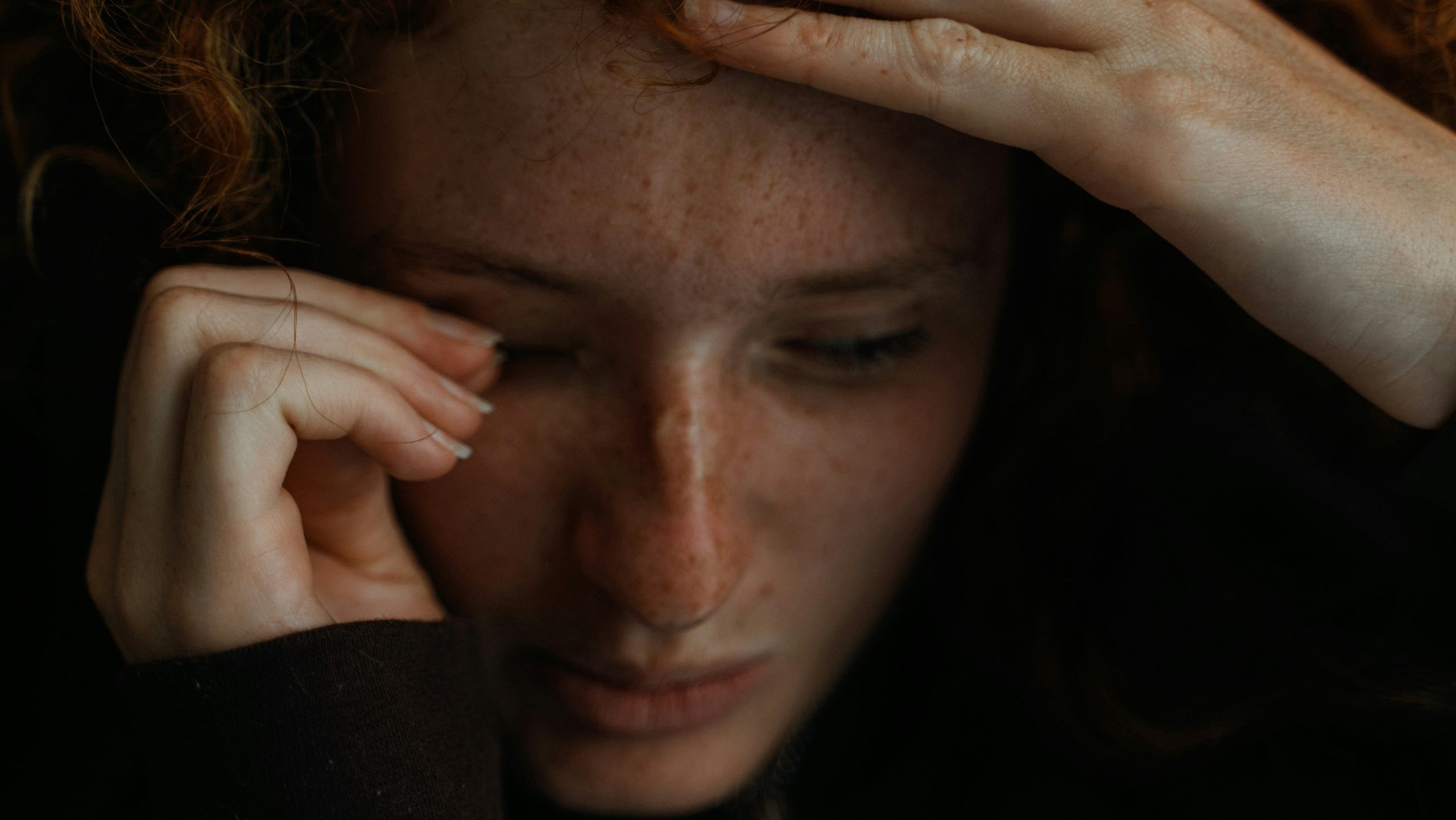
Listening in a suicidal crisis: What Traveller women told us about emergency care (by Dr Katerina Kavalidou and Dr James O’Mahony)
Research published in the Irish Journal of Psychological Medicine has shown that Irish Traveller women are more likely than settled Irish women to present to emergency departments with self-harm or suicidal thoughts. Behind these figures are women facing complex personal, social and structural challenges, such as employment and educational barriers, yet their voices are rarely heard in research.
Not many studies focus on talking with people after they have attended hospital during a suicidal crisis, and even fewer explore these experiences among people from ethnic minority communities. As a result, we know relatively little about how Traveller women experience emergency mental healthcare during a suicidal crisis.
Our study, published in the Irish Journal of Psychological Medicine, sought to address this gap by interviewing two Traveller women who had attended an emergency department while experiencing suicidal thoughts. Interpretative Phenomenological Analysis (IPA) was used, that allowed the women to describe their experiences in their own words and helped us understand not only what happened, but how it felt.
As we listened to the interviews, it became clear that the women’s suicidal distress could not be separated from the circumstances of their lives. Their stories illustrated how emotional pain accumulates over time often develops within the context of relationships, e.g. family conflict, and ongoing adversity such as having children taken by social care services.
The women also described something that clinicians and researchers often recognise, but which is rarely captured so vividly. They were struggling with two opposing feelings at the same time. Part of them wanted to escape overwhelming emotional pain, while another part still wanted to live. That search for help continued when they arrived at the emergency department. Both women described feeling that they had little control over what was happening to them. One woman was placed under constant observation because staff were concerned about her safety. Looking back on the experience, she said, “I felt like they owned my life.”
These measures may sometimes be necessary when someone is at immediate risk of harm. However, the women’s experiences highlight the importance of explaining why decisions are being made, involving people in their care wherever possible, and recognising that interventions intended to protect can also feel frightening, isolating or disempowering.
Not all of their experiences were negative. One woman described speaking with a specialist mental health nurse in a private room. She recalled this conversation as the only part of her hospital visit that genuinely helped. What stood out was not a particular intervention or treatment, but the experience of being listened to with kindness, respect and without judgement.
Perhaps that is one of the most important messages from this research. During a suicidal crisis, compassionate care is not separate from clinical care, it is part of it. Taking time to listen, offering privacy, communicating clearly and treating someone with dignity can influence how safe and supported a person feels during an intensely vulnerable moment.
This study formed part of a wider project that worked alongside Traveller women to produce a short animated film. The aim was to share the findings in an accessible way beyond academic audiences, particularly with clinicians who support people presenting to emergency departments during a suicidal crisis. The animation encourages greater empathy by reminding us that every interaction is an opportunity not only to keep someone safe, but also to help them feel heard, respected and understood.
Dr Katerina Kavalidou is a Research Fellow at the National Suicide Research Foundation (NSRF), University College Cork.
Dr James O’Mahony is a Senior Lecturer at the School of Nursing and Midwifery, University College Cork.
This article is based research published in the Irish Journal of Psychological Medicine here.
References
- Kavalidou, K., Daly, C., McTernan, N., & Corcoran, P. (2023). Presentations of self-harm and suicide-related ideation among the Irish Traveller indigenous population to hospital emergency departments: evidence from the National Clinical Programme for self-harm. Social psychiatry and psychiatric epidemiology, 58(6), 883–891. https://doi.org/10.1007/s00127-023-02439-7
- Kavalidou, K., Tighe, J., Corcoran, P., Quinlivan, L., and O’Mahony, J. National Clinical Assessment Data of Indigenous Traveller Women Attending 24 Irish Emergency Departments, between 2018–2022, in a Suicidal Crisis: A Sequential Mixed Method Study. Irish Journal of Psychological Medicine 42, no. 4 (2025): 281–88. https://doi.org/10.1017/ipm.2025.10098
- Kavalidou K, 10th of September 2024. Understanding the needs of Irish Traveller women when presenting to ED in a suicidal crisis. Youtube: https://youtu.be/TlL30TpeXfs?si=BGvV2hhE3MQi1dJ4