

Eating Disorders Awareness Week is from 23 February to March 1st. The Eating Disorder Special Interest Group has produced a series of articles that are being released throughout the week. This piece is by Professor Fiona McNicholas, a child & adolescent psychiatrist working in Our Lady’s Children’s Hospital.
Eating disorders frequently co-occur with other psychiatric conditions, most commonly anxiety disorders, depression, and obsessive–compulsive disorder. These comorbidities are well recognised and often require treatment in their own right. However, the acute medical risks associated with eating disorders, particularly significant weight loss, electrolyte disturbance, and resulting medical instability, often necessitate prioritisation of eating-disorder–focused medical and nutritional intervention. This clinical prioritisation occurs notwithstanding the presence of comorbid conditions.
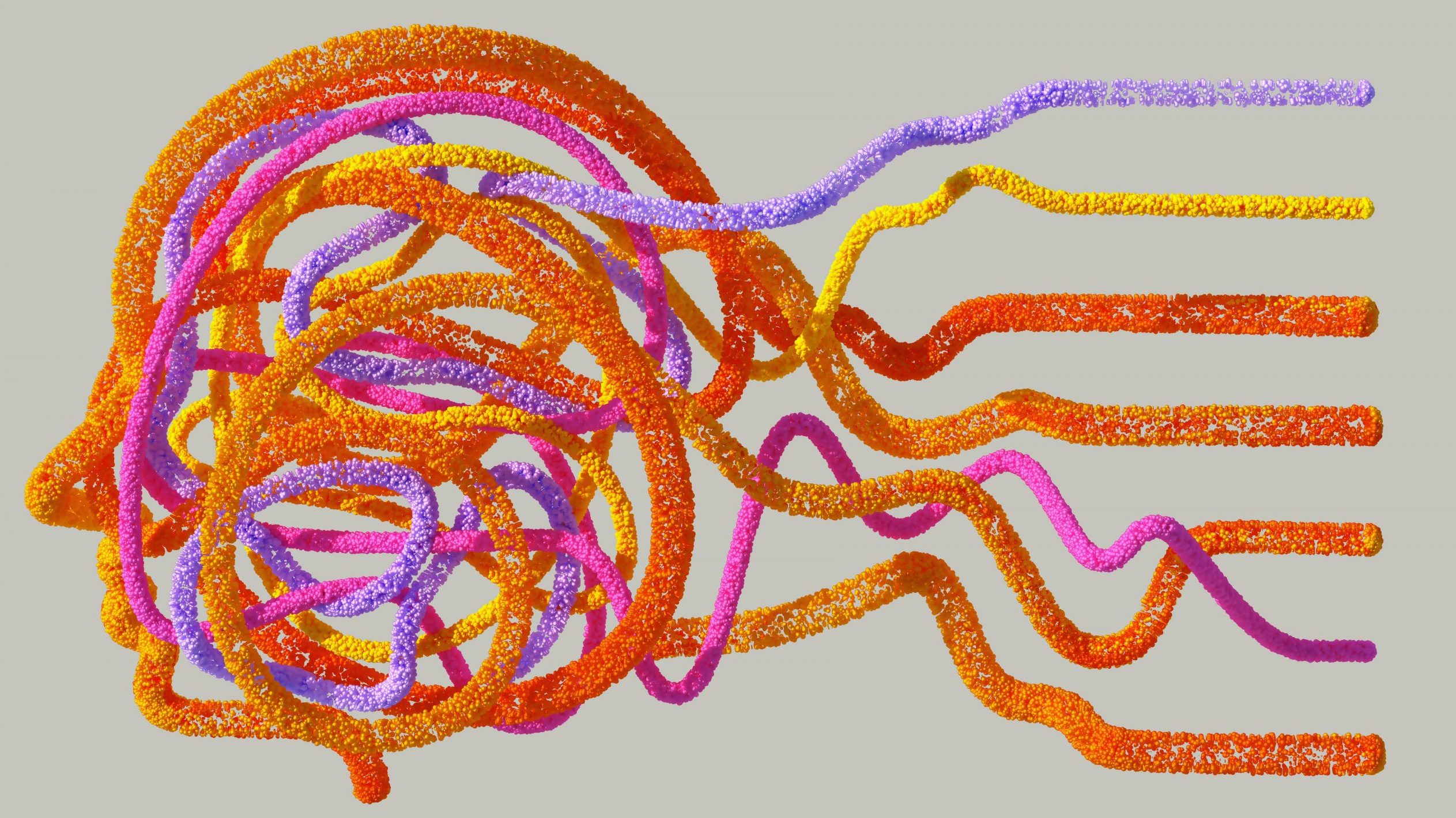
Increasingly, clinical practice also recognises the higher prevalence of neurodivergence among individuals presenting with eating disorders. Neurodivergence, including Attention-Deficit/Hyperactivity Disorder (ADHD) and Autism Spectrum Disorder (ASD), represents a natural variation in neurodevelopment, encompassing differences in attention, executive functioning, sensory processing, cognition, and social communication. While neurodivergent individuals may function well in supportive environments, mismatches between neurodevelopmental needs and environmental or treatment-related demands in the case of management of EDs, can contribute to psychological distress and increased vulnerability. Importantly, neurodivergence is not simply an additional comorbidity but a developmental context that may shape illness presentation, risk, and response to, or appropriateness of, treatment.
ADHD and eating disorders
ADHD has been consistently associated with elevated rates of certain eating disorders, particularly those characterised by binge eating and loss-of-control behaviours. Core features such as impulsivity, executive functioning difficulties, and challenges with emotional regulation may contribute to rapid consumption, difficulty delaying gratification, inconsistent adherence to structured eating patterns, and recurrent binge episodes.
In binge eating disorder (BED), stimulant medication such as lisdexamfetamine is FDA-approved and supported by evidence demonstrating reductions in binge frequency and improvements in impulse control, though without meaningful weight loss. In contrast, in anorexia nervosa (AN) and Avoidant/Restrictive Food Intake Disorder (ARFID), stimulant treatment raises particular clinical concern due to potential side effects including appetite suppression and weight loss, which may exacerbate medical risk. Careful risk–benefit assessment is therefore essential, especially where weight restoration is a treatment priority. As with all eating disorder presentations, management should remain holistic and multimodal, integrating pharmacological, psychological, and nutritional interventions, with close medical monitoring when ADHD medication is prescribed.
ASD and eating disorders
Feeding and eating difficulties are common in autistic individuals, and rates of restrictive eating disorders among people with autism are higher than in the general population. Accurate diagnosis is essential, as it directly informs treatment approach, though clinicians must remain alert to the nuanced presentation of restrictive eating or excessive exercising within ASD.
ARFID presentations in ASD typically reflect overlapping profiles, including sensory-based restriction driven by sensitivities to texture, taste, smell, or appearance of food; fear-based avoidance following aversive experiences such as choking or vomiting; and low interest in eating associated with reduced interoceptive awareness or diminished hunger cues. In autistic individuals, restrictive eating and excessive exercise may arise from mechanisms distinct from those emphasised in traditional eating disorder models. Rather than being primarily motivated by weight or shape concerns, behaviours may reflect sensory sensitivities, rule-bound thinking, a need for predictability, or cognitive rigidity.
Autistic individuals may also meet full diagnostic criteria for anorexia nervosa or bulimia nervosa, in which case both diagnoses should be recognised. Conversely, such restrictive eating or high levels of exercise may be mislabelled as an eating disorder when behaviours are better explained by neurodevelopmental factors rather than body image disturbance. Careful formulation is therefore critical to avoid diagnostic overshadowing and to guide appropriate intervention.
The presence of ASD necessitates adaptations to standard eating disorder assessment and treatment. Traditional models centred primarily on body image disturbance may not fully capture the drivers of eating difficulties in neurodivergent individuals. Cognitive behavioural approaches may need to place less emphasis on abstract cognitive restructuring and greater focus on concrete, behavioural change. Family-Based Treatment (FBT) may also require adaptation, with clearer communication, slower pacing, and support for families to understand neurodevelopmental drivers of restriction. In-patient clinical program modifications may include clear and concrete communication, predictable routines, visual supports, sensory-aware environments, bespoke meal planning, and flexibility in therapeutic pacing. Autism-informed adaptations, such as those described in the PACE (Pathway for Eating Disorders and Autism developed from Clinical Experience) model within the Maudsley framework, demonstrate how structured, neurodiversity-affirming approaches can support recovery while respecting neurodevelopmental needs.
Beyond individual therapy, creating neurodiversity-friendly treatment environments for all conditions is essential; this includes attention to infrastructure and service design such as noise reduction, sensory zoning, availability of individual rooms or quiet spaces, clear wayfinding, and predictable ward routines. Clinicians have argued that any new hospital or clinic development should incorporate these principles at a design level, recognising that treatment outcomes are influenced not only by therapeutic modalities but also by the degree to which healthcare systems actively accommodate neurodivergent needs.
A neurodiversity-informed approach, integrating adapted psychological models, careful pharmacological decision-making, and sensory and structure-aware treatment environments, supports a more individualised, humane, and effective care. In the case of EDs, this occurs while ensuring that the acute medical risks remain appropriately prioritised. Recognising neurodiversity alongside eating disorders enhances diagnostic accuracy, reduces the risk of diagnostic overshadowing, and allows for more individualised, effective treatment planning.