

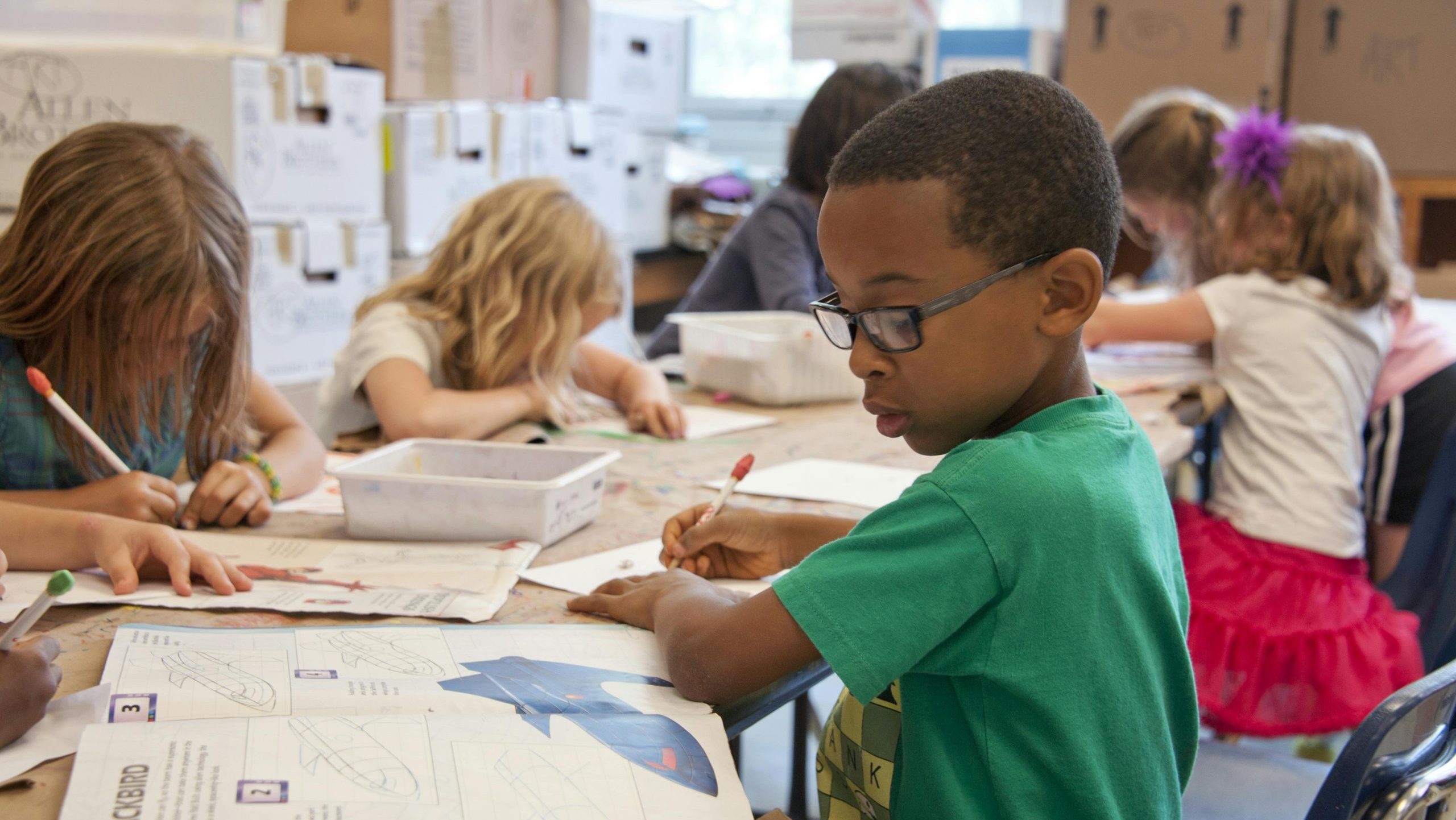
This week is Children’s Mental Health Week 2026 and Dr Aoife Twohig and Professor Fiona McNicholas of the Child & Adolescent Faculty have written an insightful piece about the effects of war and armed conflict on children.
Children’s Mental Health in the Context of War and Armed Conflict
In recent years there has been a significant increase in wars and armed conflicts worldwide. These conflicts devastate societies through destruction of homes and infrastructure, disruption of education and healthcare systems, and loss of access to basic resources such as safe water and food. More than 117 million people globally are currently displaced by conflict and violence. 49 million — over 40% — of displaced people are children below 18 years of age 1. This equates to 1 in every 67 people in the world.
The consequences of war extend beyond immediate physical danger, influencing individuals, families, communities and global wellbeing over generations 2. For many in Ireland, memories of conflict on this island serve as a reminder that the psychological impact of war is neither distant nor abstract 3.
Children’s Mental Health Week provides an opportunity to reflect on how global events shape the wellbeing of young people. War and conflict highlight the deep connection between social conditions and mental health. While many children demonstrate remarkable resilience, exposure to conflict can disrupt development and attachment in lasting ways.
How are children affected?
Children are particularly vulnerable. Exposure to violence, displacement and instability during critical developmental periods can have lasting effects on physical health, emotional wellbeing and mental health. These effects may become direct or indirect. Direct exposure includes witnessing violence, sustaining injury, bereavement, displacement or separation from caregivers, while indirect effects may arise through disrupted routines, loss of schooling, economic hardship and increased parental stress 4.
From a child psychiatry perspective, attachment relationships are central to healthy development and resilience in the face of adversity. Attachment theory, developed in part by Bowlby’s observations of adverse impact on children separated from caregivers following the Second World War, emphasises the fundamental need for stable, nurturing relationships to support emotional regulation, resilience and brain development 5.
War and armed conflict can profoundly disrupt developing attachment systems. Children may lose parents through death, disappearance or forced separation. During the recent Gaza conflict, frontline clinicians coined the term “Wounded Child, No Surviving Family” (WCNSF) to describe children arriving for treatment without surviving relatives, illustrating the scale of relational loss experienced in modern warfare. Alongside this, clinicians increasingly recognise the trauma experienced within surviving child and surviving parent-child dyads, where both caregiver and child endure shared adversity while attempting to maintain safety and connection. Even where caregivers survive, emotional availability may be affected by trauma or overwhelming stress.
War may also disrupt developmental trajectories. Physical injury can lead to disability, while interrupted education affects learning and social development 6. Displacement to refugee camps or temporary accommodation may limit access to healthcare, education and community supports. In destabilised environments, children may face increased risk of abuse or neglect, and girls may experience particular vulnerabilities including gender-based violence.
These experiences may contribute to cycles of intergenerational trauma. Emerging research suggests that severe stress and adversity may also influence gene expression through epigenetic mechanisms such as DNA methylation, potentially shaping stress responses across generations while remaining responsive to protective environments and supportive relationships 7.
Mental health impacts and trauma responses
Children facing any stress may show a range of responses depending on individual temperament and development, family supports and environmental circumstances. Reactions may include anxiety, low mood, sleep disturbances, irritability, difficulties concentrating and changes in appetite or eating behaviours, with feeding difficulties sometimes emerging in response to trauma or disrupted routines. While many children experience milder or transient symptoms, persistent and repeated exposure to stressors, as seen in prolonged or multiple conflicts, may increase the risk of post-traumatic stress disorder (PTSD) or more complex trauma presentations 8,9.
Trauma responses vary by developmental stage; younger children may communicate distress through behavioural changes such as regression, increased dependency or somatic complaints rather than verbal narratives. Play-based re-enactment of experiences through drawing, storytelling or repetitive play is not inherently pathological and may represent an important developmental mechanism for processing overwhelming events. Importantly, children may also demonstrate resilience and strengthening protective factors, including stable caregiving relationships, predictable routines and supportive educational and community environments. These remain central to promoting recovery and long-term wellbeing.
Direct and indirect effects beyond conflict zones
The psychological impact of war extends beyond those directly exposed. Children living outside conflict zones, including those with classmates affected by trauma or those who have been evacuated, may experience secondary anxiety, fearing the experiences described by peers or worrying about loved ones left behind. Repeated exposure to distressing media coverage may further heighten fear and uncertainty. Caregivers can support children through honest, age-appropriate communication, maintaining predictable routines and encouraging emotional expression. Guidance from organisations such as UNICEF emphasises limiting repeated exposure to distressing news imagery while offering reassurance and opportunities for discussion 10.
What can and should be done?
Clearly, the most effective protection for children’s mental health is prevention of conflict itself. Advocacy for peaceful resolution, protection of civilians and adherence to international humanitarian law remain essential. At a community level, strengthening social systems, ensuring access to education and supporting families can mitigate psychological risk 11.
Mental health and psychosocial support (MHPSS) approaches recognise that recovery extends beyond individual therapy. Children benefit from safe environments, predictable routines, opportunities for play and learning and restoration of supportive relationships. Trauma-informed clinical and educational practices, alongside caregiver support and culturally sensitive psychological interventions, are key. Early identification of distress allows timely intervention and may prevent longer-term mental health difficulties.
The landmark Machel Report (1996) and subsequent World Health Organization mandates emphasise our collective responsibility to protect children’s rights, safety and mental wellbeing in situations of armed conflict 12,13. There is much to aim for — and much still to do.
References
- Mid-Year Trends Report UNHCR 2025. https://www.unhcr.org/media/mid-year-trends-2025
- Mc Nicholas F, Twohig A. Trauma and warfare and clinicians’ role. Paediatric Research (2024) 96:2–3; https://doi.org/10.1038/s41390- 024-03124-4
- Lawlor, B. The Heavy toll of the troubles on the brain health of people in Northern Ireland. 2023. https://www.tcd.ie/news_events/articles/2023/the-heavy-toll-of-the-troubles-on-the-brain-health-of-people-in-northern-ireland/
- Santa Barbara, J. Impact of War on Children and Imperative to End War. Croat Med J. (2006);47:891-4
- Twohig A, Lyne J, and Mc Nicholas F. (2024) Attachment theory: survival, trauma, and war through the eyes of Bowlby. Irish Journal of Psychological Medicine 41: 273–275, https://doi.org/10.1017/ipm.2024.12
- Submission to the UN Special Rapporteur on the Rights of Persons with Disabilities regarding Persons with Disabilities in the Context of Armed Conflict, Human Rights Watch. 2021 https://www.hrw.org/sites/default/files/media_2021/06/Protection%20of%20Persons%20with%20Disabilities%20in%20Armed%20Conflict.pdf
- Ramo-Fernández L, Schneider A, Wilker S, Kolassa I-T (2015). Epigenetic alterations associated with war trauma and childhood maltreatment. Behavioral Sciences and the Law 33, 701–721.
- Charlson F, van Ommeren M, Flaxman A, Cornett J, Whiteford H, Saxena S (2019). New WHO prevalence estimates of mental disorders in conflict settings: a systematic review and meta-analysis. The Lancet 394, 240–248
- Bürgin, D., Anagnostopoulos, D., the Board and Policy Division of ESCAP. et al. Impact of war and forced displacement on children’s mental health—multilevel, needs-oriented, and trauma-informed approaches. Eur Child Adolesc Psychiatry 31, 845–853 (2022). https://doi.org/10.1007/s00787-022-01974-z
- https://www.unicef.org/parenting/child-care/how-talk-your-children-about-conflict-and-war
- Lynch F, Twohig A, Lyne J, Molloy EJ, Mc Nicholas F. Children’s rights and wrongs: respect, equality and dignity. Irish Journal of Medical Science (1971 -) (2025) 194:247–251
- Twohig A and McNicholas F. The impact of armed conflict on children: A global humanitarian crisis. Irish Journal of Psychological Medicine https:// doi.org/10.1017/ipm.2025.10159
- https://irishpsychiatry.ie/press-statements/second-college-statement-on-violence-in-the-middle-east-2/